Why Seeing a General Dentist Twice a Year Still Matters

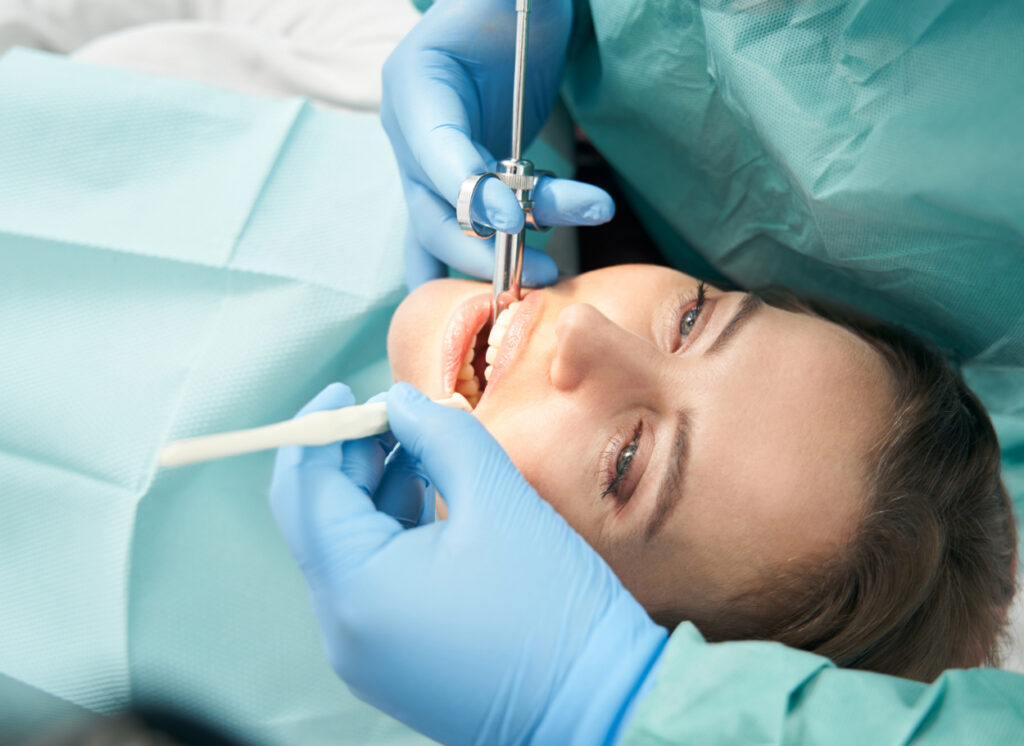

The twice-a-year dental visit has been repeated so often that many people tune it out. It can sound like a slogan, something handed down without much thought. Yet in day-to-day practice, that schedule still makes sense for a large share of patients. Not because every mouth is the same, and not because six months is a magic number, but because routine care catches small problems while they are still small, keeps chronic issues from quietly worsening, and gives patients a regular checkpoint for habits that affect the rest of their health.
A lot can change in six months. A tiny area of enamel weakness can turn into a cavity. Gum inflammation that causes no pain can deepen into periodontal damage. A cracked filling can begin leaking. Clenching can wear down edges that looked fine at the last appointment. None of these changes necessarily announce themselves with dramatic symptoms. In fact, some of the most expensive dental problems begin as painless ones.
That is the heart of the matter. Dental care is one of the clearest examples of how prevention saves time, money, and discomfort. People often delay visits because nothing hurts, work is busy, insurance resets are confusing, or the appointment feels easy to postpone. Then a problem surfaces all at once, usually at the least convenient moment. By then, the fix is often more involved than it needed to be.
The value of catching problems before you feel them
Many dental conditions develop quietly. Tooth decay starts at a microscopic level. Early gum disease may show up only as light bleeding when brushing. A filling can begin to fail long before a patient notices sensitivity. Teeth can fracture in ways that are visible on an exam but not yet painful.
When patients hear that everything “looks fine,” they sometimes wonder whether the visit was necessary. In reality, hearing that your mouth is stable is good news, and it usually means your home care and regular checkups are doing their job. Dentistry is one of those fields where the best appointment often feels uneventful. That does not make it unimportant.
Think of it this way. It is far easier to smooth a rough filling edge than to rebuild a broken tooth. It is far easier to treat gingivitis than advanced gum disease. It is far easier to monitor a suspicious spot than to wait until that spot demands root canal treatment or an extraction. The six-month interval gives your general dentist enough frequency to compare subtle changes over time, which matters more than many people realize.
This is especially true because the mouth changes with age, stress, medication use, and health conditions. Someone who went years with very few dental issues can suddenly become more cavity-prone after starting a medication that causes dry mouth. A patient with excellent oral hygiene can begin grinding teeth during a stressful season and not realize the force they are putting on enamel until significant wear appears. Regular exams put those changes into context.
A cleaning does more than make teeth look better
People often describe dental cleanings as cosmetic, as if the main point is leaving with smoother teeth. Clean teeth do feel better, but the real benefit goes deeper. Plaque is soft and can be removed at home with consistent brushing and flossing. Tartar, once it hardens, cannot. It needs professional instruments and trained hands.
Even motivated patients miss areas. The back molars, lower front teeth, gumline edges, and spots around crowded teeth collect buildup in a way that is hard to fully manage with a toothbrush alone. Over time, that buildup irritates the gums and increases the risk of decay. During a routine hygiene visit, the dental team removes those deposits, checks for bleeding points, and often spots changes in gum health before the patient would ever notice them in the mirror.
There is also a practical coaching aspect that gets overlooked. People’s brushing habits drift. Flossing becomes occasional. Retainers stop fitting well because they are not worn consistently. Electric toothbrush heads are used far past replacement time. A short conversation during a recall appointment can correct months of ineffective home care. Those little course corrections matter.
Gum disease does not always hurt
One of the most persistent misconceptions in dentistry is that painful problems are serious and painless problems are minor. Gum disease proves the opposite. Early and moderate periodontal disease can progress with very little discomfort. Patients may mention a bit of bleeding, mild bad breath, or nothing at all. Meanwhile, the supporting bone around the teeth can slowly be affected.
This is one reason routine visits remain important even for people who rarely get cavities. They may assume they are “good at dentistry” because they are not prone to decay, while missing the fact that gum health follows a different pattern. At a regular exam, gum measurements, visual checks, and hygienist observations help build a timeline. If General dentist Bakersfield CA pockets deepen or inflammation becomes more persistent, your general dentist can recommend more frequent periodontal maintenance, changes to home care, or referral when needed.
The alternative is often a late-stage wake-up call, loose teeth, gum recession, sensitivity, or the realization that expensive treatment could have been reduced with earlier attention.
Your mouth reveals more than cavities
A dental visit is not only about teeth. A thorough exam also includes the tongue, cheeks, palate, bite, jaw joints, and soft tissues. Dentists routinely look for ulcers that are not healing properly, suspicious patches, signs of grinding, salivary changes, and irritation from appliances or restorations. These checks become more meaningful over time because a provider who sees you regularly notices what is new, what is stable, and what deserves General dentist Bakersfield CA a closer look.
This continuity matters. A single exam is useful, but a sequence of exams tells a richer story. A small white patch that has not changed in years may be far less concerning than one that appeared recently. Mild recession on one tooth may reflect brushing technique, while generalized recession may point to clenching, gum disease, or age-related changes. The dentist who knows your baseline can make sharper judgments.
For patients in communities with limited time and long work hours, skipping preventive care may seem efficient. Yet urgent dental care nearly always consumes more time than a planned checkup. A same-day emergency visit, a larger restoration, or several follow-up appointments can disrupt work and family life far more than two scheduled visits a year.
The economics are clearer than most people think
Many patients delay care because they are trying to save money. That instinct is understandable. Dental treatment can feel expensive, and insurance plans vary widely. But from a financial standpoint, routine visits are often the least costly part of oral healthcare.
A simple exam, cleaning, and routine X-rays usually cost far less than a crown, root canal, periodontal therapy, or emergency treatment for infection. Even a modest cavity can become a much bigger expense if it grows deep enough to weaken tooth structure. Once a tooth cracks or the nerve becomes involved, treatment becomes more complex and the stakes rise.
That does not mean twice-yearly visits guarantee you will never need major work. Some teeth break unexpectedly. Some patients have high decay risk despite strong habits. Some restorations simply wear out with time. What regular care does is stack the odds in your favor. It reduces the number of surprises and increases the chances that any needed treatment stays manageable.
A practical way to think about it is that preventive care buys options. When a dentist catches a problem early, there is often more than one reasonable path. When the problem is advanced, choices narrow quickly.
Why six months became the default, and when it changes
The six-month interval is best understood as a common starting point, not an inflexible rule. For many healthy adults, it works well because it balances prevention with practicality. It is frequent enough to detect change, but not so frequent that it becomes burdensome.
That said, some patients should be seen more often, and some may be candidates for a different interval based on risk. A person with active gum disease, heavy tartar buildup, frequent cavities, dry mouth, braces, diabetes, tobacco use, or a history of extensive dental work often benefits from more frequent recalls. On the other hand, a low-risk patient with excellent home care and stable oral health may discuss a customized schedule with their dentist.
Here are a few factors that often justify visits more often than every six months:
- a history of gum disease or deep periodontal pockets
- frequent cavities or large existing restorations
- dry mouth from medications or medical treatment
- orthodontic appliances, implants, or bridges that are harder to clean
- smoking, vaping, or uncontrolled diabetes
The key point is that “twice a year” remains a solid standard because it fits many people well, while still allowing room for clinical judgment. Good dentistry is not one-size-fits-all, but it does rely on regular observation.
Children, teenagers, and adults all benefit for different reasons
For children, preventive visits are often about more than cleaning. They help build familiarity with the dental environment, reduce fear, reinforce hygiene habits early, and let the dentist monitor eruption patterns, bite development, and decay risk. Small cavities in baby teeth may seem unimportant to parents, but they can affect comfort, eating, sleep, and even how permanent teeth come in later.
Teenagers bring a different set of issues. Orthodontic treatment, sports-related trauma, energy drinks, inconsistent brushing, and wisdom tooth concerns all become part of the conversation. Adolescents are also at the age when habits harden. A teen who learns to take oral hygiene seriously usually carries that forward. A teen who gets used to skipping care may spend years catching up.
Adults often assume that once their teeth are fully grown and straightened, routine care matters less. In practice, adulthood is when cumulative effects show up. Fillings age. Grinding becomes more common. Recession develops gradually. Work stress can increase clenching. Medications affect saliva. Pregnancy can change gum health. Preventive care in adulthood is less about growth and more about maintenance, preservation, and avoiding larger interventions later.
Older adults may face additional concerns, including root decay, dry mouth, complicated medical histories, dexterity challenges, and the maintenance of crowns, bridges, implants, or dentures. For them, regular care often protects both comfort and function in a very immediate way.
What a good routine visit actually accomplishes
A quality recall appointment is not just “a quick cleaning.” Done properly, it provides several layers of information and care. The exact sequence varies by office, but a routine visit often includes the following:
- review of medical history, medications, and any new symptoms
- professional cleaning to remove tartar and assess gum response
- exam of teeth, restorations, bite, and soft tissues
- X-rays when clinically appropriate, based on findings and history
- guidance on home care, risk factors, and any next steps
That bundle of care is why these visits still matter. A patient may arrive thinking the appointment is about polish and floss. In reality, it is a recurring diagnostic checkpoint.
The local piece matters too
If you are looking for a general dentist Bakersfield CA residents trust, convenience and continuity should both carry weight. Dentistry works best when patients can return consistently, not only when something breaks. A nearby office with reasonable scheduling, clear communication, and a team that knows your history makes it easier to stick with preventive care.
That local relationship matters in subtle ways. A general dentist who has seen your teeth over several years knows which fillings have been stable, which areas tend to collect plaque, whether your bite has shifted, and how your gums typically respond. That familiarity helps distinguish a true new problem from a long-standing, harmless variation. It also reduces the stress patients feel when treatment is needed because the relationship is already established.
Patients often shop for dental care based on urgency alone. They search only when pain starts. A better approach is to choose a general dentist before you need emergency treatment. That way, if a problem does come up between recall visits, you are not starting from zero.
Common reasons people skip, and what usually happens next
The most common objections to routine dental visits are understandable. People are busy. Appointments can cause anxiety. Insurance may not cover everything. Some have had a bad experience years ago and still carry it with them. Others simply feel fine and do not see the point.
In practice, those reasons tend to lead down predictable roads. Anxiety often gets worse, not better, when care is delayed until something hurts. Costs rise when small issues become larger ones. Time pressure intensifies when treatment expands from one routine appointment to several longer visits. Patients who avoid the dentist because they fear bad news often end up facing harder news later.
There are edge cases, of course. Some patients truly maintain very stable oral health for years. Some have meticulous home care, a favorable oral environment, and minimal restorative history. Even then, the value of periodic professional evaluation remains. Stability is not self-confirming. It has to be checked.
A short anecdote illustrates the point. It is not unusual for a patient to come in after two or three years away, convinced everything is probably fine because they have no pain. Sometimes they are lucky and need very little. Just as often, the exam reveals two small cavities between teeth, a cracked old filling, and gums that bleed more than they should. None of those findings seemed urgent at home. Together, they tell a different story.
Prevention supports confidence, not just health
There is also a quality-of-life angle people rarely mention. When patients keep up with routine visits, they usually feel more confident eating, smiling, speaking, and making social plans without a nagging worry in the background. They are less likely to be surprised by a sudden broken tooth before a wedding, vacation, job interview, or family event. They know where they stand.
That peace of mind has value. So does preserving natural tooth structure for as long as possible. Every time a tooth needs a larger restoration, a little more of that original structure is lost. Dentistry can restore a great deal, but replacement is never exactly the same as preservation. The best general dentist will say this plainly: the strongest tooth is usually the one that has needed the least intervention.
A simple habit that still pays off
Routine dental visits have endured because they continue to work. Not perfectly, not identically for everyone, but consistently enough that they remain one of the soundest habits in healthcare. Seeing a general dentist twice a year gives small issues fewer places to hide, helps protect your gums as much as your teeth, and creates a timeline that improves clinical judgment over time.
For some patients, the interval should be shorter. For a smaller group, it may be adjusted based on risk and history. But for many adults and families, twice a year remains a practical, evidence-grounded rhythm. It is not about doing what you have always been told. It is about understanding what regular observation, cleaning, and prevention actually accomplish.
When patients stay connected to care, they usually spend less time dealing with dental crises and more time simply using their teeth the way they should, comfortably, confidently, and without surprise. That is why the six-month visit still matters.
Smyle Dental Bakersfield
Address: 2016 E St, Bakersfield, CA 93301
Phone number: +16614939040
FAQ About General dentist Bakersfield CA
What does it mean by general dentist?
A general dentist is your primary dental care provider. They act like a family doctor for your mouth. They focus on the overall health of your teeth and gums, providing routine checkups, cleanings, and basic treatments like fillings or crowns for patients of all ages.
What is the difference between a dentistry practitioner and a dentist?
A dentist is a specific licensed doctor who diagnoses and treats teeth and gums, holding a DDS or DMD degree. A "dentistry practitioner" (or dental practitioner) is a broader regulatory term that includes dentists as well as other licensed oral health workers like hygienists and therapists.
When to see a dentist for gum pain?
See a dentist for gum pain if it lasts more than a few days, or right away if you have severe swelling, pus, fever, or bleeding. Mild pain from a scratch can heal on its own, but lasting soreness often points to gum disease, an infection, or an abscess.